Big News: DepEd Just Made AI Official for Schools
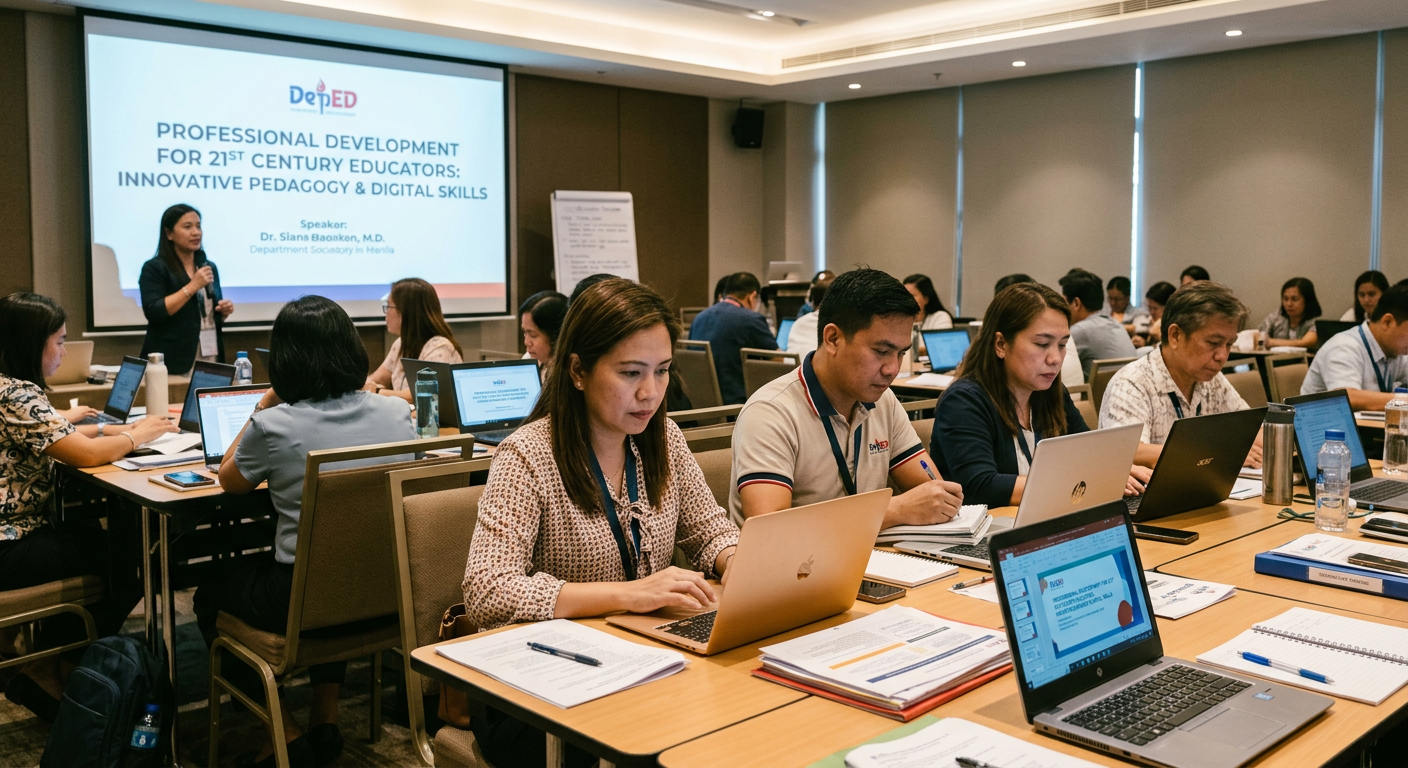
If you've been quietly using ChatGPT or Gemini to help with your lesson plans, here's some great news — you're not breaking any rules anymore.
On February 20, 2026, the Department of Education released DepEd Order No. 003, s. 2026, officially titled "Foundational Guidelines on Artificial Intelligence (AI) in Basic Education." This is a big deal. It's the first time DepEd has laid out clear, official rules on how AI can (and can't) be used in Philippine schools.
Whether you're a classroom teacher, a school head, or an education supervisor, this order affects you. Let's break it down in plain language so you know exactly what's allowed, what's not, and what you need to do.
The Three-Part AI Framework
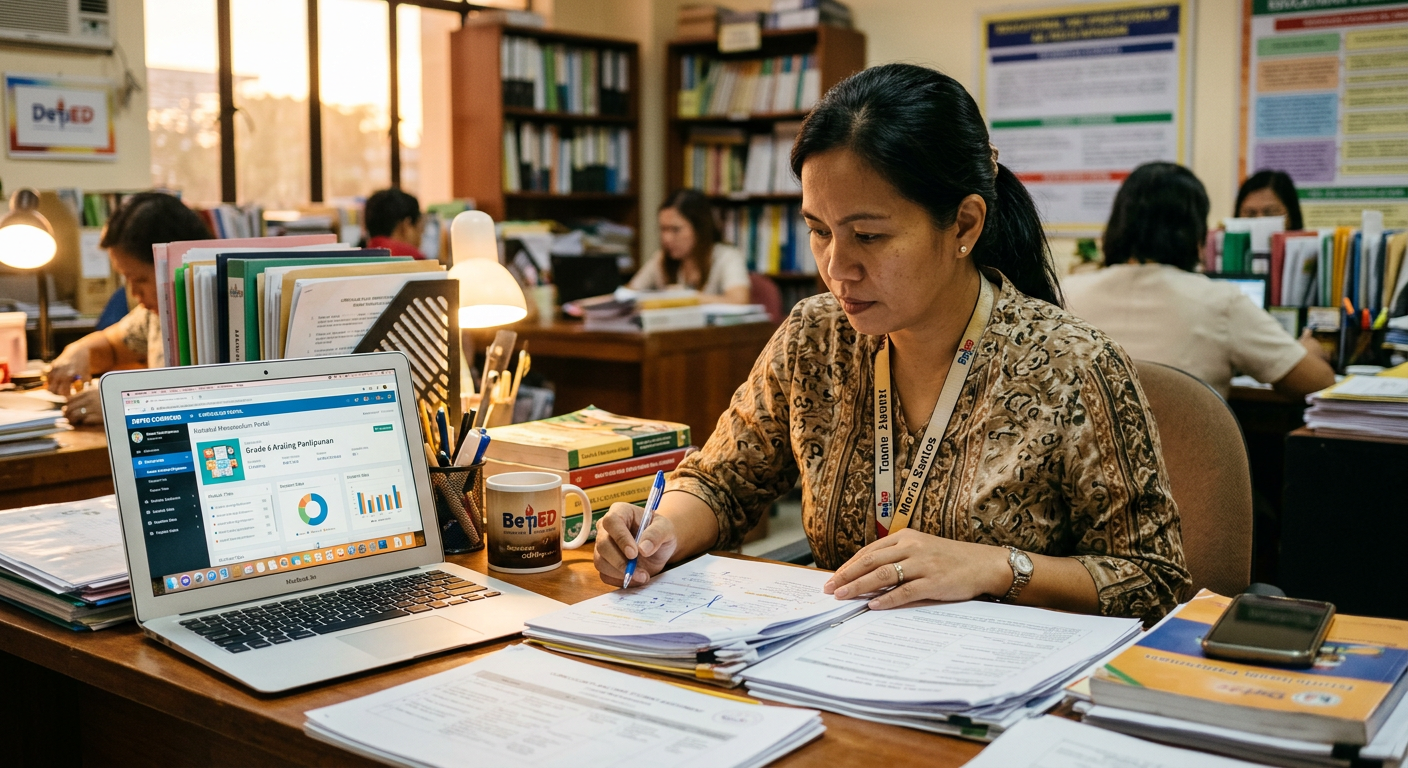
DepEd didn't just say "go use AI." They created a three-part framework to organize how AI fits into basic education:
- AI in Education — This is about using AI tools to support teaching and learning. Think lesson planning, creating assessments, brainstorming activities, and enhancing instructional materials.
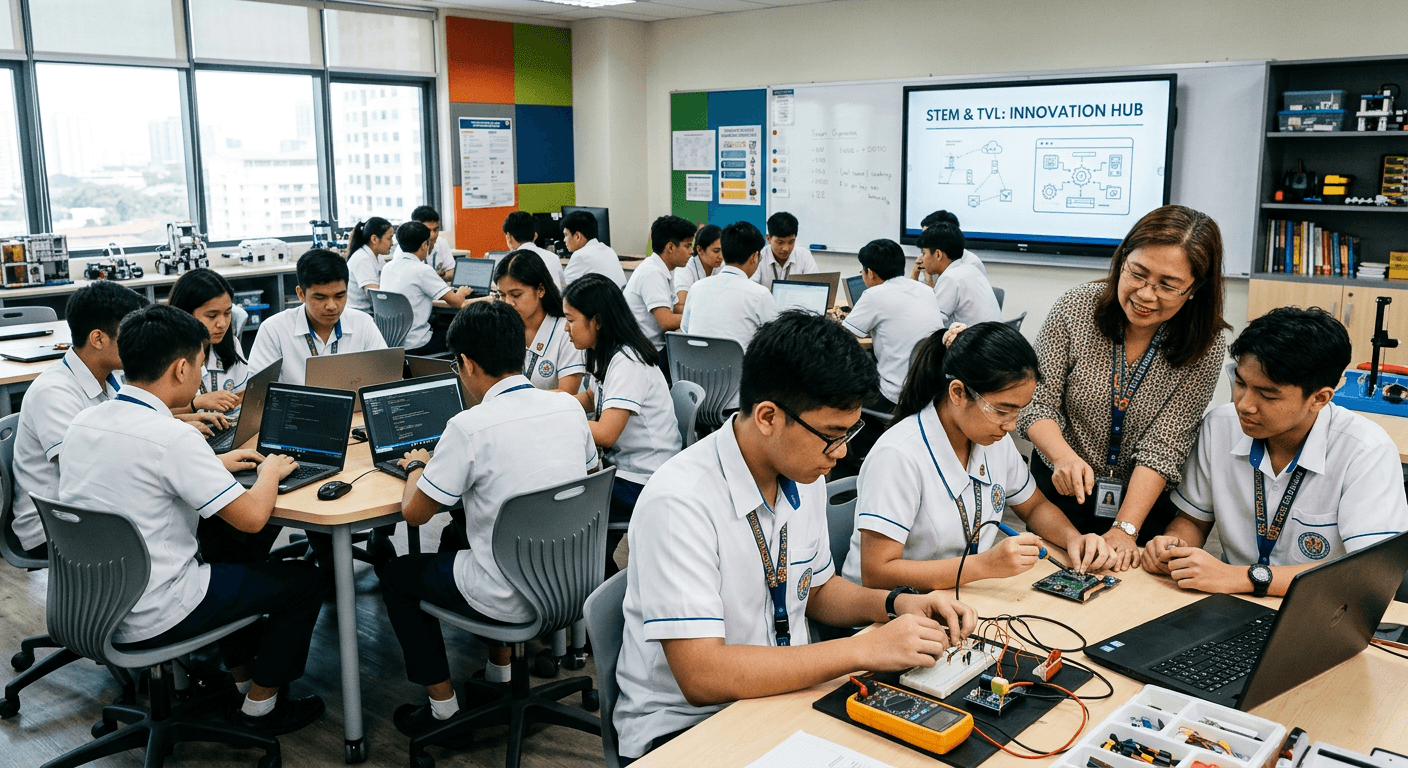
- Education on AI — This means teaching students about AI itself. What it is, how it works, and how to use it responsibly. The goal is to build AI literacy from an early age.
- AI for Governance — This covers how DepEd and schools can use AI for administrative tasks like data management, reporting, and decision-making at the institutional level.
This framework is important because it shows that DepEd isn't just thinking about AI as a classroom tool. They're looking at the bigger picture — making sure students, teachers, and administrators all benefit from AI in a safe and organized way.
What Teachers Are Allowed to Do with AI
Here's the part you've probably been waiting for. According to DO 003, s. 2026, teachers are officially allowed to use AI for:
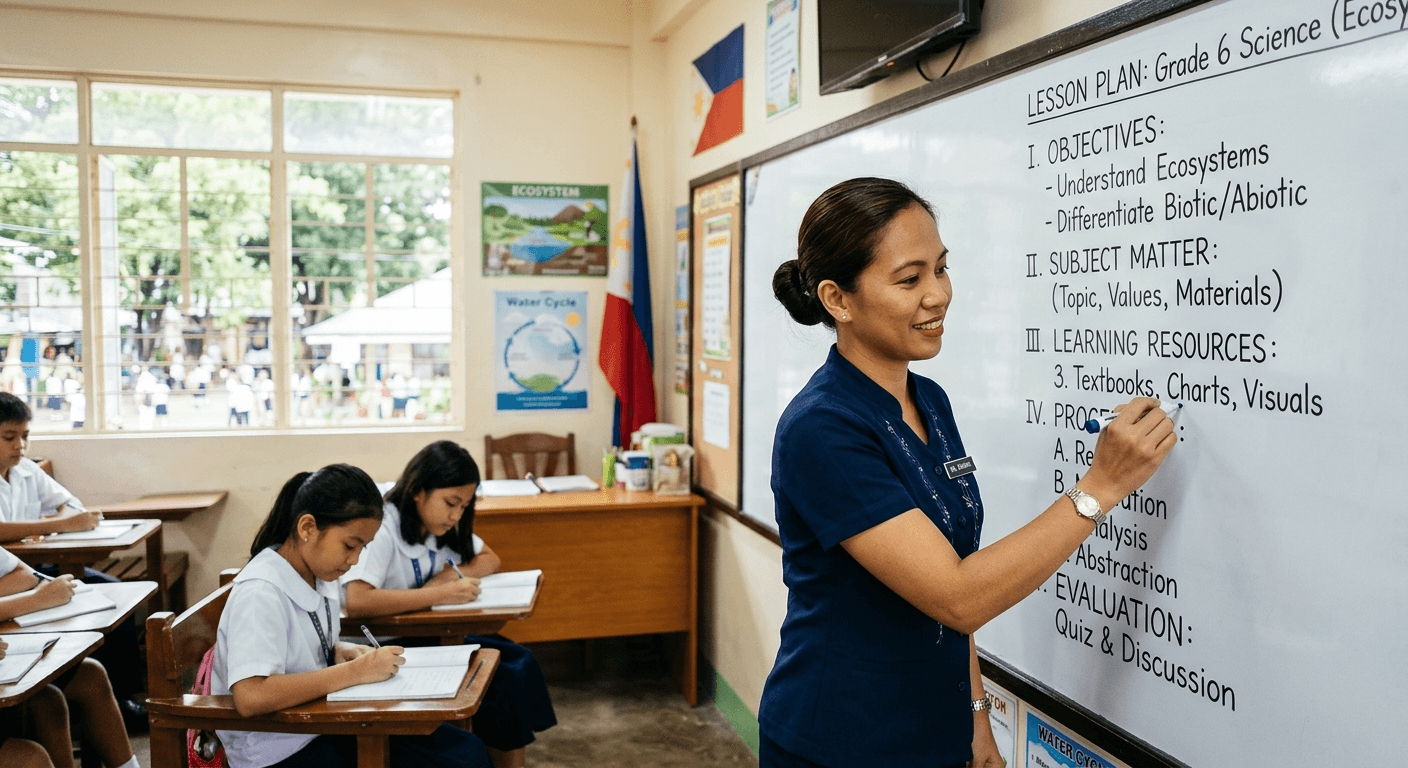
- Creating and enhancing instructional materials — Yes, you can use AI to help write lesson plans, create worksheets, or design presentations.
- Brainstorming — Stuck on how to introduce a topic? AI can help you come up with creative ideas and teaching strategies.
- Grammar checking — Tools like Grammarly are fair game for polishing your written materials.
- Developing assessments — Need quiz questions or rubrics? AI can help generate those.
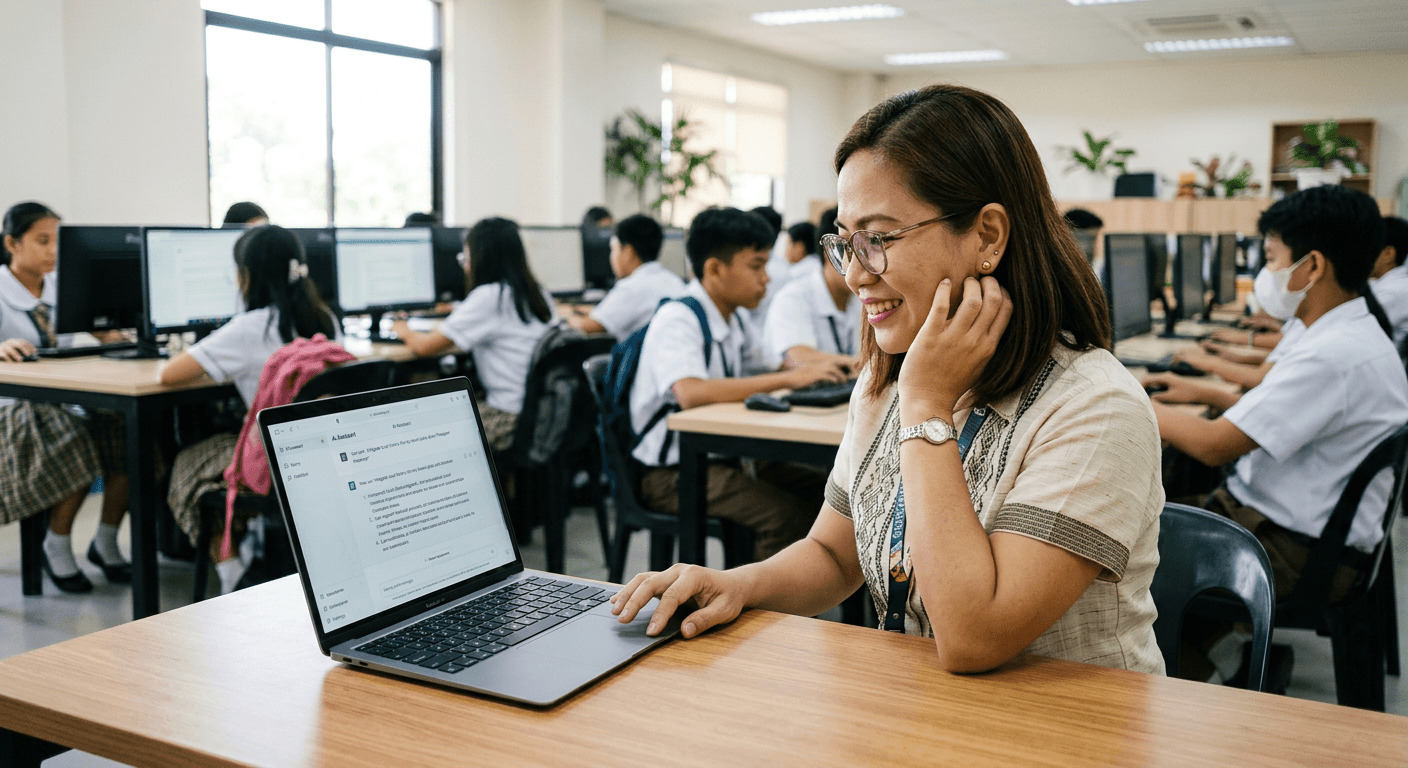
- Exploring AI tools — The order specifically mentions tools like ChatGPT, Gemini, Grammarly, and Canva as examples that teachers can explore.
This is a huge relief for many teachers who have already been using these tools. Now you can do it openly and confidently, knowing DepEd supports it.
What's Strictly Prohibited
Of course, not everything goes. DepEd drew some clear red lines to protect students and keep AI use safe and ethical:
- Biometric or facial recognition — Schools cannot use AI systems that scan or identify students through their faces or other biometric data.
- Social scoring — AI cannot be used to rank or score students based on their behavior, social media activity, or personal data in ways that could be discriminatory.
- Manipulative chatbots that exploit minors — Any AI chatbot designed to manipulate, deceive, or take advantage of children is absolutely banned.
These prohibitions are there to protect learners. AI should help students learn — not put them at risk.
AI Disclosure: Students Must Be Honest
One of the most important rules in this order is about transparency. Under DO 003, s. 2026:
Learners must disclose their use of AI in assignments and school outputs.
This means if a student uses ChatGPT to help write an essay or Canva AI to design a project, they need to say so. The goal isn't to punish students for using AI — it's to teach them academic honesty and responsible AI use.
As a teacher, you'll want to set clear expectations with your students about when and how AI can be used in your class, and how they should disclose it.
The DepEd AI Registry
Here's something new that schools need to pay attention to: DepEd now requires an AI Registry for all AI tools used in schools.
What does this mean? Any AI tool that a school plans to use — whether it's for teaching, administration, or student activities — needs to be registered. This helps DepEd keep track of what AI tools are being used across the education system and ensures they meet safety and quality standards.
If your school is planning to adopt a new AI tool, make sure your school head or ICT coordinator knows about the registry requirement.
Privacy Comes First: The Privacy Impact Assessment
Before any AI tool can be deployed in a school, a Privacy Impact Assessment (PIA) is required. This is a process where the school evaluates how the AI tool handles personal data — especially student data.
The PIA helps answer questions like:
- What data does the AI tool collect?
- Where is the data stored?
- Who has access to it?
- Is it safe from breaches?
This is especially important given how sensitive student information is. DepEd wants to make sure that using AI doesn't compromise the privacy of learners.
High-Risk AI Activities Need Extra Safeguards
Not all AI use is the same. Some activities are considered high-risk, and DepEd has put extra rules around them:
- Grading — If AI is used to help grade student work, there must be strict safeguards and human oversight. A teacher must always review and approve AI-generated grades.
- Admissions — AI cannot make admissions decisions on its own. Human judgment must always be part of the process.
The key principle here is simple: AI can assist, but humans must decide. This ensures that important decisions about students' futures aren't left entirely to machines.
Special Rules for Young Learners (K to Grade 3)
DepEd is being extra careful with younger students. For learners in Kindergarten to Grade 3:
Direct AI interaction is restricted and must be supervised.
This means young children shouldn't be using AI tools like ChatGPT on their own. If AI is used in early childhood classrooms, a teacher or adult must always be present to guide and supervise the interaction.
This makes sense — young learners are still developing critical thinking skills and may not yet understand the limitations of AI-generated content.
Project AGAP.AI: DepEd's Bigger AI Vision
Beyond the rules and guidelines, DepEd is also investing in AI through a major initiative called Project AGAP.AI.
AGAP.AI stands for Accelerating Governance and Adaptive Pedagogy through AI. It was launched in January 2026 and represents DepEd's commitment to integrating AI into Philippine education at a national scale.
The project has some impressive partners:
- ASEAN Foundation
- Google.org
- Microsoft
- MIT RAISE (Responsible AI for Social Empowerment and Education)
With these partnerships, Project AGAP.AI aims to train teachers, develop AI-powered learning tools, and create frameworks that make AI work for Filipino learners. It's a sign that DepEd is serious about making AI a positive force in education — not just allowing it, but actively building systems to support it.
What This Means for You as a Teacher
So what should you do now? Here's a quick summary of action items:
- Feel confident using AI — You now have official permission to use AI tools for creating materials, brainstorming, and developing assessments.
- Set clear AI rules in your classroom — Talk to your students about when AI is okay to use and when it's not. Make sure they know they need to disclose AI use.
- Check with your school — Ask your school head about the AI Registry and whether the tools you're using have been registered.
- Supervise young learners — If you teach K to Grade 3, make sure any AI interaction is always supervised.
- Stay human — Remember, AI is a tool to help you teach better. It doesn't replace your judgment, your creativity, or your relationship with your students.
Ready to save hours on lesson planning?
Now that DepEd officially supports AI use in schools, there's never been a better time to explore how AI can help you work smarter — not harder.
LessonPlan PH is an AI-powered lesson planning tool built specifically for Filipino teachers. It helps you create DepEd-aligned lesson plans in minutes, so you can spend less time on paperwork and more time on what really matters — teaching.
Give it a try and see how much time you can save. Your weekends will thank you. 😊