Finally, Less Paperwork — But Wait, There's a Catch
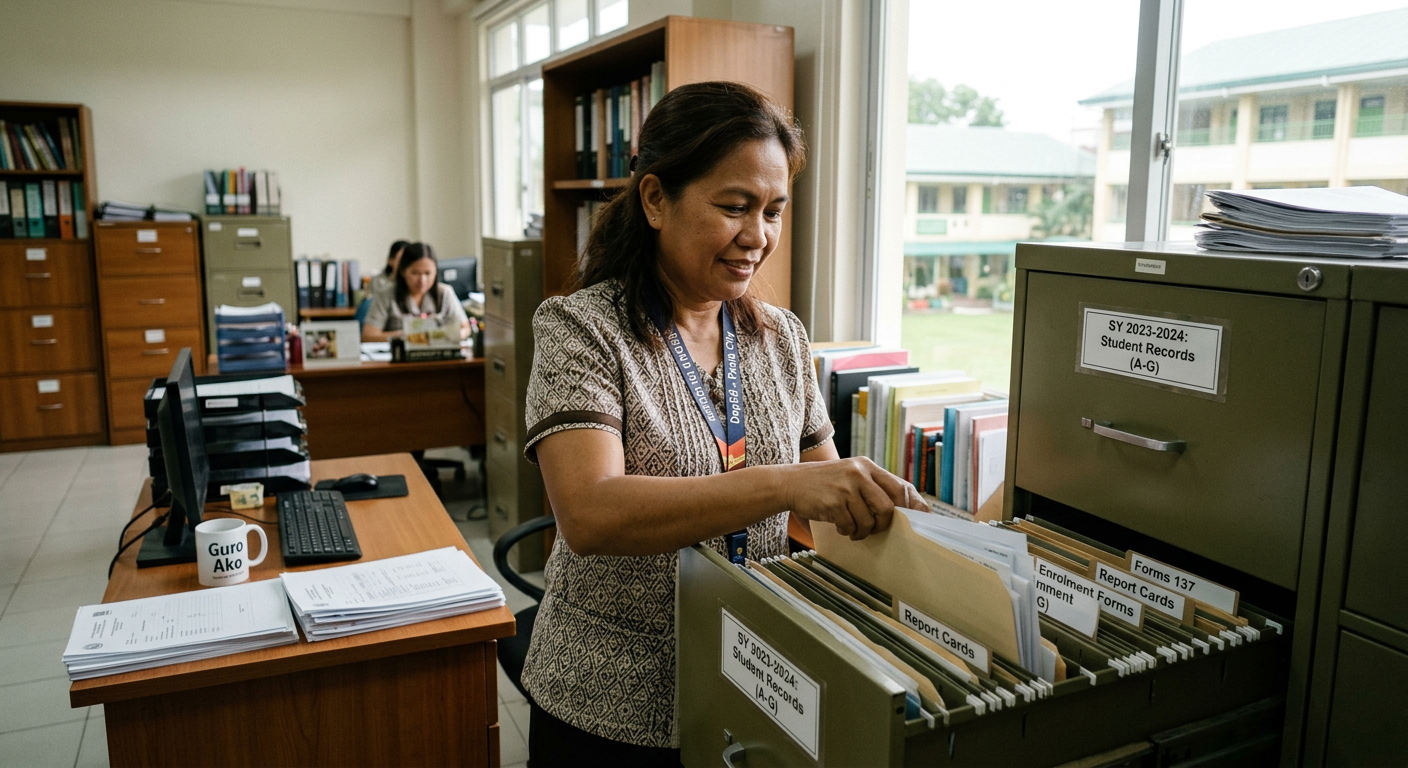
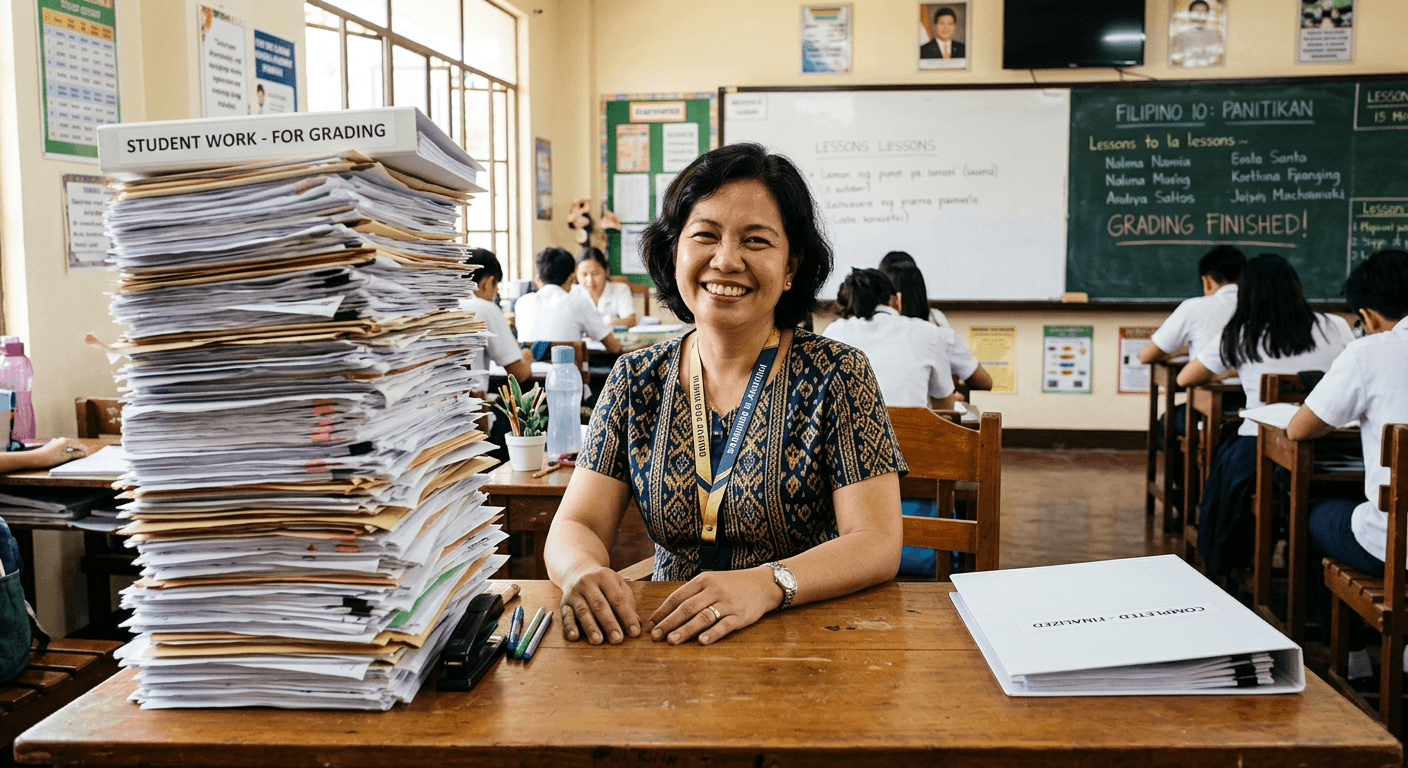
If you're a public school teacher in the Philippines, you know the drill. Between lesson plans, attendance sheets, health reports, and a mountain of other forms, it sometimes feels like you spend more time on paperwork than on actual teaching.
Well, DepEd heard you. DepEd Order No. 006, s. 2025, officially titled "Guidelines on the Streamlining of School Forms and Reports Accomplished by Teachers," is a major step toward reducing the paperwork burden on teachers. But before you celebrate too much, there's one thing you should know: the lesson plan didn't go away.
Let's break down what changed, what stayed, and what it all means for your daily life as a teacher.
The Old Problem: 174 Forms
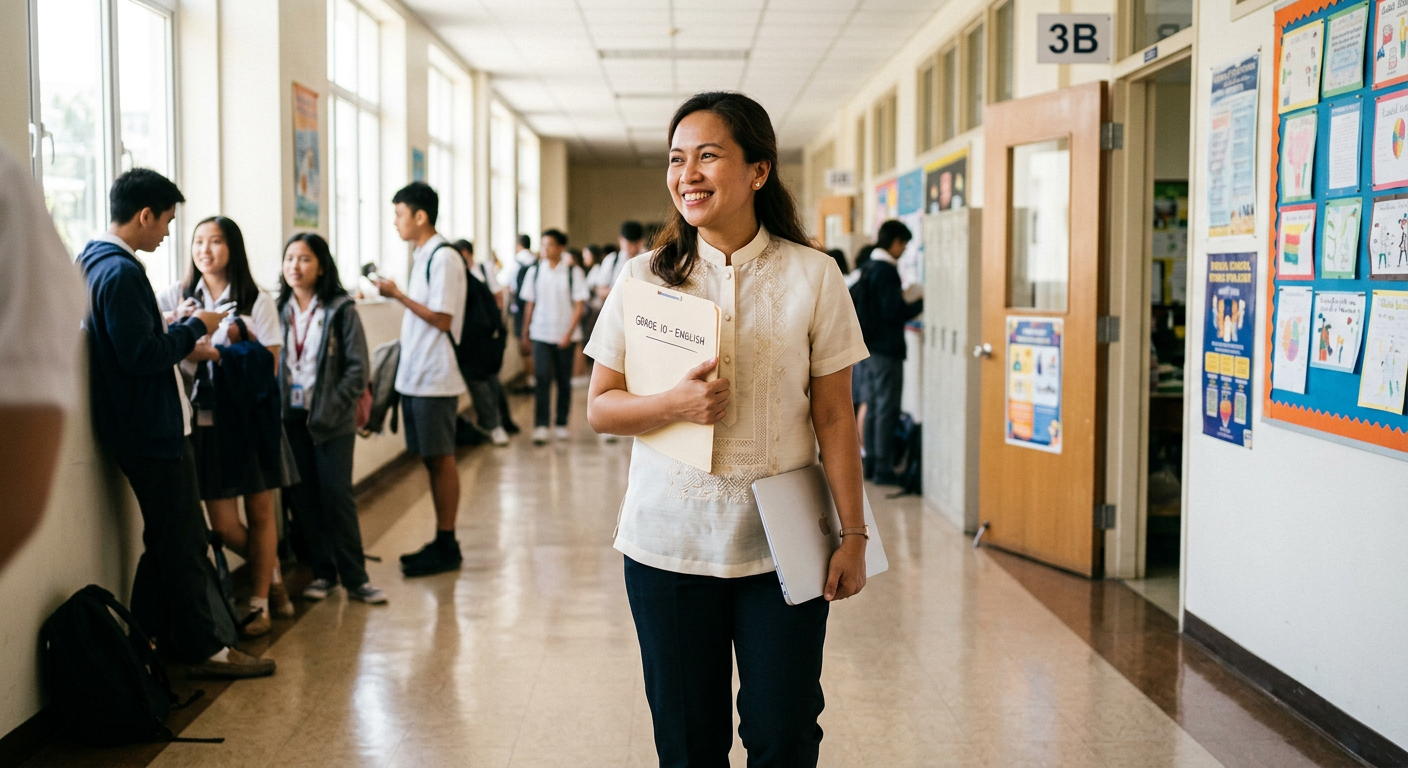
For years, Filipino teachers have been drowning in forms. Various DepEd divisions and regions had piled on requirements over time, and before anyone realized it, the total number of forms that teachers were expected to regularly accomplish had ballooned to 174.
Yes, you read that right. One hundred seventy-four forms.
These forms covered everything from student enrollment and attendance to health records, book inventories, and performance reports. Many teachers spent their evenings and weekends filling out forms instead of resting or spending time with their families.
The sheer volume of paperwork was one of the biggest complaints of Filipino teachers. It took time away from lesson preparation, professional development, and — most importantly — actual teaching.
The Big Change: Down to 5 Essential Forms
DepEd Order No. 006, s. 2025 streamlined the paperwork dramatically. Instead of 174 forms, teachers now only need to regularly accomplish 5 essential forms:
- SF1 — School Register: The master list of enrolled learners in your class. This includes basic student information like name, age, and contact details.
- SF2 — Learner Daily Attendance: The daily attendance record for your students. You mark who's present, absent, or tardy each day.
- SF3 — Book Issued and Returned: A record of textbooks and learning materials lent to students and when they're returned.
- SF5 — Report on Promotion and Proficiency: This documents which students passed, failed, or need remediation at the end of the grading period or school year.
- SF8 — Health and Nutrition Report: A record of students' health status, including height, weight, and any health concerns.
These five forms are the ones you'll fill out regularly as part of your core teaching responsibilities. Everything else? Streamlined, consolidated, or removed from your regular duties.
Wait — What About the Other Forms?
Now, before you think all forms beyond these five are gone, let's be clear about the full picture.
DepEd Order No. 006 also identifies:
- 31 forms for ancillary tasks — These are forms related to non-teaching duties that some teachers handle, such as property management, canteen operations, or special programs. If you have ancillary assignments, you may still need to fill these out.
- 39 forms for teaching-related assignments — These are forms connected to specific teaching tasks beyond the five essential ones, such as remediation reports or special education documentation.
So the total number of forms didn't shrink to just 5 in absolute terms. But the key difference is that the regularly accomplished forms — the ones every teacher deals with on a daily, weekly, or quarterly basis — went from 174 to 5. That's a massive reduction in your routine paperwork.
The Big Question: What About Lesson Plans?
Here's where many teachers get confused — or disappointed. Lesson plans are NOT eliminated by DepEd Order No. 006, s. 2025.
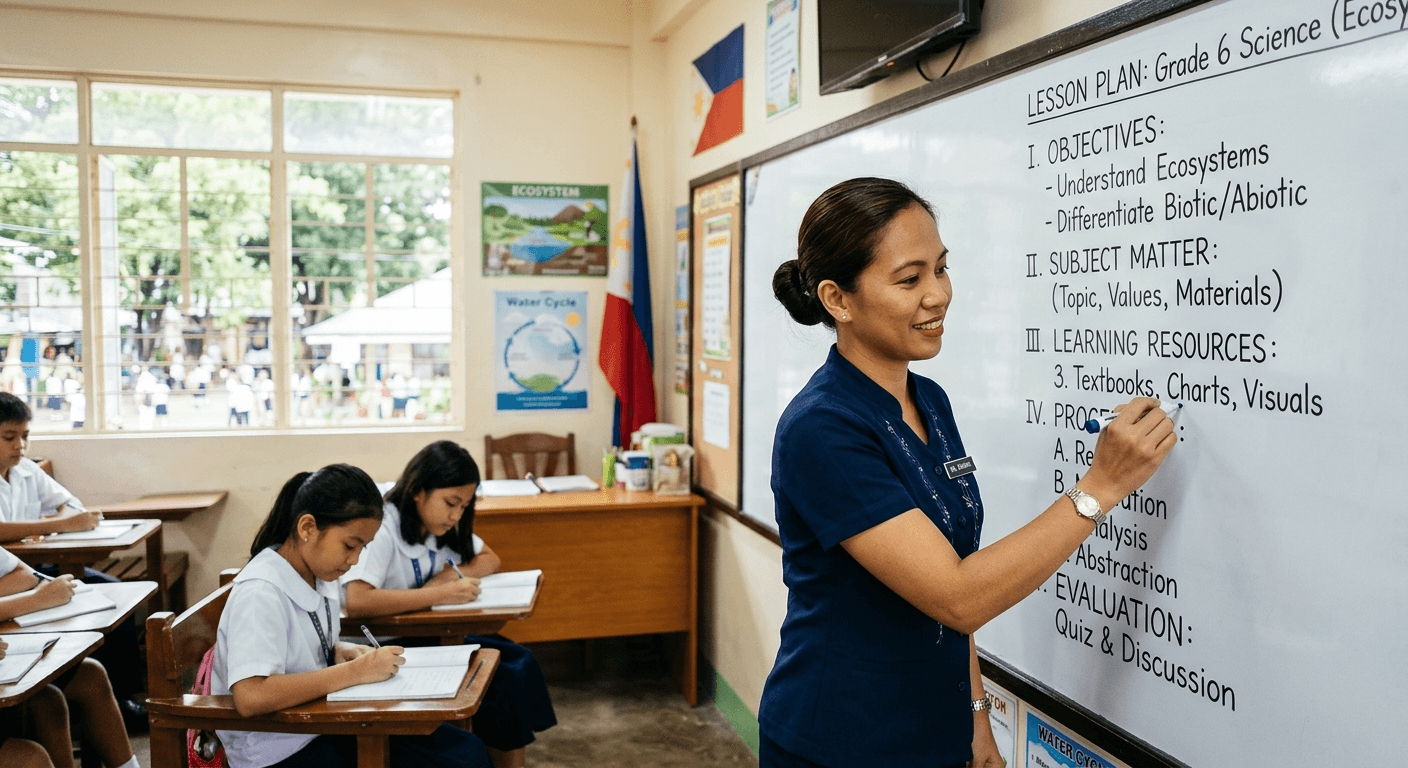
The order focuses on school forms and reports, not on instructional planning documents. Lesson planning remains a core responsibility of every teacher.
In fact, lesson planning has its own separate guidelines. The Daily Lesson Log (DLL) and lesson plans are now governed by the Ilaw format, introduced under DepEd Order No. 009, s. 2026. This is a simplified, unified lesson plan format designed to replace the older, more cumbersome templates.
So while the paperwork around school forms got lighter, the lesson plan is still very much a part of your teaching life. The good news is that the Ilaw format is designed to be simpler and more teacher-friendly than previous formats.
Why This Change Matters
Even though lesson plans remain, the reduction from 174 to 5 essential forms is a genuine win for teachers. Here's why it matters:
More Time for What Matters
Every hour you save on paperwork is an hour you can spend on preparing better lessons, giving feedback to students, or simply resting. Teaching is already one of the most demanding jobs out there — you deserve fewer administrative distractions.
Less Burnout
Excessive paperwork has been a major contributor to teacher burnout in the Philippines. By reducing the number of forms, DepEd is acknowledging that overloaded teachers can't be effective teachers. This is a step toward a healthier work-life balance.
Clearer Expectations
With 174 forms, it was hard to know which ones were truly essential and which were just "nice to have." Now, the expectations are crystal clear: focus on the 5 essential forms for your regular duties. Everything else is either for special assignments or has been eliminated.
A Signal of Change
This order shows that DepEd is listening to teachers' concerns. For years, the call to "reduce paperwork" was one of the loudest voices in the teaching community. DepEd Order No. 006 is proof that those voices were heard.
How to Make the Most of This Change
Now that your form-filling burden is lighter, here are some practical tips to take full advantage:
Get Familiar with the 5 Essential Forms
If you haven't already, take time to review the updated versions of SF1, SF2, SF3, SF5, and SF8. Make sure you understand what information is required and how to fill them out efficiently. The cleaner your process, the less time you'll spend on them.
Talk to Your School Head
Some schools may still be asking teachers to fill out forms that are no longer required. If you feel you're being asked to do unnecessary paperwork, politely bring up DO 006, s. 2025 with your school head. Knowledge is power.
Use the Time You Save Wisely
With fewer forms to worry about, you now have more time to focus on your lesson plans — which, remember, are still required. Use this extra time to create better, more engaging lessons for your students.
Explore Tools That Can Help
Just because lesson plans remain doesn't mean you have to do them the hard way. There are tools and strategies that can help you create quality lesson plans faster. From using templates to batch-planning by subject, there are many ways to be more efficient.
A Quick Recap
Let's summarize what you need to remember about DepEd Order No. 006, s. 2025:
- Teacher forms reduced from 174 to 5 regularly accomplished essential forms.
- The 5 essential forms are: SF1, SF2, SF3, SF5, and SF8.
- There are still 31 ancillary forms and 39 teaching-related forms for special assignments.
- Lesson plans are NOT eliminated — they're now under the Ilaw format (DO 009, s. 2026).
- This is a real win for teachers — less routine paperwork means more time for teaching.
Looking Ahead
The reduction of school forms is part of a bigger trend in DepEd toward making teachers' lives easier. Combined with the new Ilaw lesson plan format and the official allowance of AI tools (under DO 003, s. 2026), it's clear that the department is working to modernize the teaching experience in the Philippines.
Change takes time, and there will still be challenges. But for now, having fewer forms to fill out is something worth celebrating.
Ready to save hours on lesson planning?
Your paperwork just got lighter, but lesson plans are still part of the job. The good news? You don't have to spend your entire weekend on them.
LessonPlan PH is an AI-powered tool designed specifically for Filipino teachers. It helps you create DepEd-aligned lesson plans quickly and easily, so you can focus on what you do best — teaching your students.
Try LessonPlan PH today and experience the difference. Less stress, more teaching. 😊